Arnos Park Upholstery Cleaning Guide for Local Homes
If your sofa looks a little tired, your dining chairs have picked up the usual family-life marks, or that armchair has started holding on to smells you can't quite place, this Arnos Park upholstery cleaning guide for local homes is for you. Upholstery is one of those things you stop noticing until it looks dull, feels sticky, or begins to affect how fresh the whole room feels. And to be fair, that happens slowly.
In this guide, you'll learn how upholstery cleaning works, what methods suit different fabrics, how to avoid common mistakes, and when it makes sense to call in a professional. The aim is simple: help local homeowners in Arnos Park make better decisions, protect their furniture, and get a cleaner, healthier home without guesswork.
For readers comparing broader home care options too, services like domestic cleaning, deep cleaning, and carpet cleaning often work well alongside upholstery care. It all connects, really. A fresh sofa on top of dusty carpets is only half the job.
Table of Contents
- Why Upholstery Cleaning Matters in Arnos Park Homes
- How Upholstery Cleaning Works
- Key Benefits and Practical Advantages
- Who This Is For and When It Makes Sense
- Step-by-Step Guidance
- Expert Tips for Better Results
- Common Mistakes to Avoid
- Tools, Resources and Recommendations
- Law, Compliance, Standards, or Best Practice
- Options, Methods, or Comparison Table
- Case Study or Real-World Example
- Practical Checklist
- Conclusion
- Frequently Asked Questions
Why Arnos Park upholstery cleaning guide for local homes Matters
Upholstery takes a beating in a way people often underestimate. Chairs collect skin oils, crumbs, and daily dust. Sofas absorb everything from pet hair to the faint smell of cooking. Cushions trap moisture from a rainy coat draped over the armrest. In homes around Arnos Park, where everyday life can mean family meals, visitors, pets, and a fair bit of in-and-out traffic, that build-up tends to happen quietly.
Why does it matter? Because fabric furniture affects both appearance and comfort. A dirty sofa can make an entire sitting room feel older than it is. More importantly, spills that sit too long can become permanent marks, and some fabrics are damaged by over-wetting or harsh cleaning products. Once the fibres are stressed, there's no easy undo button. That's the annoying bit.
There's also the hygiene side. Upholstery can hold dust and odours even when it looks fine at first glance. If someone in the household has allergies or sensitivities, regular maintenance becomes more than a nice-to-have. It turns into practical home care. Not dramatic, just sensible.
If you're already planning a broader refresh, many households combine upholstery with rug cleaning or a one-off whole-home reset through one-off cleaning. That way, the room feels properly reset rather than half-done.
Expert summary: The best upholstery cleaning approach is the one matched to the fabric, the stain type, and the age of the furniture. Clean gently, test first, and avoid guessing when the label is unclear.
How Arnos Park upholstery cleaning guide for local homes Works
At a practical level, upholstery cleaning is about removing soil without damaging the fabric, filling, or frame. That sounds simple, but the method matters a lot. A cotton blend sofa, a velvet chair, and a synthetic dining seat do not behave the same way. Not even close.
Most proper upholstery cleaning follows a sequence: inspect the item, identify the fabric, remove loose debris, treat spots, clean with the right method, then allow full drying. The details change depending on whether the furniture needs low-moisture cleaning, foam cleaning, hot-water extraction, or careful hand cleaning. Some materials can tolerate deeper moisture; others really can't.
The cleaning process usually begins with a fabric check. If a manufacturer tag is present, it may show care codes or instructions. If it isn't there, a cautious spot test is wise. Professionals also look for seam weakness, colour bleeding, previous DIY residue, and signs of shrinkage risk. Good cleaning is as much about what you don't do as what you do.
For example, a lightly marked fabric sofa with general dust and food traces might be suitable for a targeted clean. A marked armchair near a radiator, though, may need more careful treatment because heat and old stains can change the fabric's response. In homes where the furniture is part of an open-plan space, it may also make sense to coordinate with window cleaning or hard floor cleaning so the whole room feels refreshed. You notice the difference straight away.
Key Benefits and Practical Advantages
There's a reason people keep coming back to upholstery cleaning. It's not just about making things look nice, although that's definitely part of it.
- Improved appearance: Fabrics regain colour depth, texture, and a fresher overall look.
- Better day-to-day comfort: Clean upholstery feels less sticky, dusty, or stale.
- Odour reduction: Spills, pets, and general household smells are easier to manage.
- Longer furniture life: Removing grit and residue reduces fibre wear over time.
- More inviting living spaces: A clean sofa changes how a room feels, even if everything else stays the same.
- Better value from existing furniture: You can often keep good pieces in use longer instead of replacing them early.
One thing people sometimes miss: upholstery cleaning can improve the experience of the room as much as the furniture itself. A spotless sofa in a dusty room won't feel truly clean. That's why, in many homes, upholstery care sits naturally beside oven cleaning, patio cleaning, or window cleaning depending on the season and the priorities of the household. Spring, especially, has a habit of making people notice everything at once.
Who This Is For and When It Makes Sense
This guide is useful if you live in Arnos Park and have any upholstered furniture you want to keep in decent condition. That includes sofas, armchairs, footstools, dining chairs, headboards, and occasional seating. It's especially relevant if your home has children, pets, regular visitors, or older furniture that you want to protect.
It also makes sense if you're preparing for guests, dealing with a spill, trying to remove pet odour, or giving your home a seasonal refresh. Let's face it, nobody wants to sit down on a sofa that looks clean but smells a bit off.
There are also times when upholstery cleaning becomes more urgent: after a drink spill, after illness in the house, after decorating, or when moving out. If you're nearing the end of a tenancy or just clearing a property, upholstery care may sit alongside end of tenancy cleaning or even house clearance where furniture is being sorted for reuse, removal, or recovery.
In my experience, people wait too long when the fabric is still "mostly fine." That's the trap. Once the marks become obvious from across the room, the job is often harder.
Step-by-Step Guidance
If you want to clean upholstery properly, follow a calm, methodical process. Rushing is usually how trouble starts.
- Check the fabric label. Look for any care instructions, fibre type, or cleaning codes. If the tag is missing, treat the item cautiously.
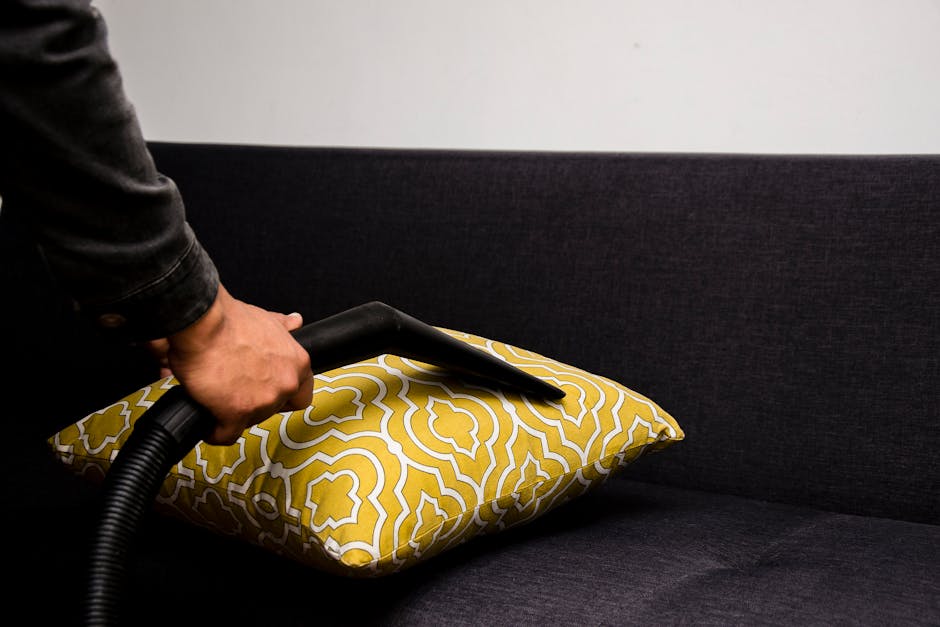
- Vacuum thoroughly. Use a suitable upholstery attachment and work into creases, seams, and under cushions. Dust and grit can act like sandpaper.
- Identify the issue. Is it surface dust, a food spill, body oils, pet hair, or a drink stain? Different problems need different treatments.
- Test in a hidden area. This is boring but crucial. Try your product or method somewhere discreet and wait for any colour change or texture shift.
- Treat stains gently. Blot, don't rub. Use minimal product and work from the outside of the mark inward.
- Clean the full panel if needed. Spot-cleaning alone can leave tide marks, especially on larger fabric areas.
- Control moisture. Too much water can create longer drying times, staining rings, or even mould risks in poorly ventilated rooms.
- Dry properly. Open windows where possible, use airflow, and avoid heavy use until fully dry. No one wants to sink into a damp cushion.
- Brush or reset the pile. On some fabrics, a soft brush can restore the finish after drying.
- Review the result. If a stain remains, don't keep attacking it. Repeated over-treatment can do more harm than the original mark.
If you're cleaning a whole room, it can help to do upholstery after dust-heavy tasks like deep cleaning or after any renovation-related mess. For homes recently finished with decorating or repairs, some people also book after builders cleaning first, which makes the upholstery stage a lot more effective.
Expert Tips for Better Results
The best results usually come from restraint. That sounds dull, but it's true.
- Work slowly on stains. A gentle repeat can be better than one aggressive scrub.
- Use white cloths. Coloured cloths can transfer dye, especially when damp.
- Keep heat under control. Too much heat can set stains or distort synthetic fibres.
- Think in layers. Remove dust, then treat spots, then clean the broader fabric area.
- Watch the drying time. If a cushion still feels cool or clammy hours later, ventilation probably needs improving.
- Don't overload with product. More cleaning solution does not equal more cleaning power. Usually the opposite, frankly.
A useful local habit is to schedule upholstery cleaning around household rhythms. If you know the house gets busiest on weekends, do the work midweek so there's time for drying. Evening cleaning can be fine too, but only if the room is warm enough and well aired. Tiny detail, big difference.
Another good rule: if furniture is valuable, antique, velvet, leather-look, or otherwise awkward, pause before using a general purpose spray. Some fabrics need a specialist approach, and a cautious professional clean is often cheaper than replacing a damaged piece.
Common Mistakes to Avoid
Most upholstery cleaning problems come from predictable mistakes. The good news is they're avoidable.
- Rubbing stains hard. This can spread the mark and damage the pile.
- Using too much water. Excess moisture can cause rings, shrinkage, or a musty smell.
- Skipping the spot test. A hidden patch test can save the whole sofa.
- Mixing products. Different chemicals can react badly together. Keep it simple.
- Cleaning without vacuuming first. Dirt turns into muddy residue if you do that.
- Ignoring drying time. Half-dry upholstery attracts re-soiling faster.
- Assuming all fabrics behave the same. They really, really don't.
One slightly funny thing happens a lot: people clean the most visible patch, step back, and then realise the surrounding area now looks cleaner or dirtier by comparison. That's why broader panel cleaning matters on bigger pieces. Spot work has its place, but it's not magic.
If the issue looks more like surface wear than staining, you may be dealing with fibre flattening or embedded dust rather than a true stain. In that case, the solution is different, and a more general home refresh through one-off cleaning or domestic cleaning may help lift the whole space first.
Tools, Resources and Recommendations
You do not need a truckload of kit to keep upholstery looking decent. A few reliable tools go a long way.
| Tool or product | What it helps with | Useful note |
|---|---|---|
| Upholstery vacuum attachment | Dust, crumbs, pet hair, seam debris | Best used slowly with careful strokes |
| Microfibre cloths | Blotting spills and lifting light soil | Choose clean, lint-free cloths |
| Soft upholstery brush | Light agitation and fibre resetting | Gentler than a hard scrubbing brush |
| Neutral fabric cleaner | General spot treatment | Always test first on a hidden area |
| Fan or open-window airflow | Drying support | Important in cooler or damp weather |
For homeowners who prefer to keep things simple, a professional upholstery service is often the cleanest route. It reduces guesswork, especially when there are mixed fabrics in the same room. You might also consider pairing the job with carpet cleaning or rug cleaning if the whole seating area needs attention. Rooms tend to look best when the textiles are treated together.
If you want to check broader service details, pricing and quotes can help set expectations before booking. For peace of mind around service standards and customer support, it's also sensible to review the company's insurance and safety information and the complaints procedure. Not glamorous reading, maybe, but useful.
Law, Compliance, Standards, or Best Practice
For local homeowners, upholstery cleaning is not heavily regulated in the same way as some trade services, but best practice still matters. In the UK, reputable cleaning work should be carried out with care, appropriate products, and attention to safety. That means checking fabric compatibility, handling chemicals responsibly, and making sure the home remains safe while surfaces dry.
If a cleaner is using electrical equipment or stronger cleaning agents, reasonable safety steps should be in place. In practical terms, that means proper ventilation, tidy cables, caution around water, and clear communication about any risks to children, pets, or delicate finishes. It's all fairly common-sense, though common sense does occasionally go missing when someone is in a hurry.
For customers, the key is to choose a provider that explains its process clearly, avoids exaggerated promises, and is transparent about what can and cannot be removed. Honest expectations are a good sign. So is a willingness to explain care codes, drying times, and fabric limitations in plain English.
If sustainability matters to you, ask how waste and product use are handled. A responsible service will usually aim to minimise unnecessary waste and use cleaning methods that suit the job rather than overdoing chemicals. You can also look at a provider's approach to recycling and sustainability if you prefer a more considered household routine.
Options, Methods, or Comparison Table
There are a few common ways to clean upholstery, and the right choice depends on the fabric and the level of soil. Here's a simple comparison.
| Method | Best for | Pros | Limits |
|---|---|---|---|
| Vacuum-only maintenance | Routine dust and crumbs | Quick, safe, good for weekly upkeep | Won't remove deeper stains or odours |
| Spot cleaning | Fresh spills and small marks | Fast and targeted | Can leave visible edges if done badly |
| Low-moisture fabric cleaning | Delicate or moisture-sensitive upholstery | Reduced drying time, lower risk | May not suit heavy soiling |
| Hot-water extraction | Some durable fabrics and deeper soil | Strong cleaning power | Not suitable for every material |
| Professional specialist cleaning | Valuable, delicate, or awkward items | Expert fabric matching and better risk control | Usually costs more than DIY |
In straightforward terms, DIY is fine for maintenance and minor spills. Professional cleaning is better when the fabric is precious, the stain is stubborn, or the whole piece needs a reset. If you're unsure, choose caution. That's the sensible path.
Case Study or Real-World Example
Picture a typical Arnos Park living room: a three-seat sofa, two armchairs, a rug, and a coffee table that somehow always collects cups. The sofa looks fine in the daytime, but by evening the seating area feels a bit flat and slightly stale. There's a faint mark on one cushion from tea, a few pet hairs near the arm, and the fabric on the headrest has gone shiny from regular use.
The homeowner starts with a good vacuum, removing crumbs from the seams and dust from under the cushions. Then a hidden spot is tested with a small amount of cleaner. No colour change, no rough patch, so the process continues carefully. The stain is blotted rather than rubbed, the whole seat panel is cleaned lightly to avoid patchiness, and the room is left with the window open for airflow.
What usually stands out after a proper clean isn't just the colour improvement. It's the feeling. The sofa smells fresher, the room seems brighter, and the furniture doesn't shout for attention anymore. It just fits. Small thing, big impact.
In homes where the rest of the property also needs a reset, the same household might schedule office cleaning for a home workspace or window cleaning to bring more light into the room. That kind of coordinated cleaning often makes the result feel much more complete.
Practical Checklist
Use this quick checklist before you clean upholstery at home or arrange a professional visit.
- Check the fabric label or care instructions
- Vacuum all surfaces, seams, and cushion edges
- Identify the type of stain or soil
- Test any cleaner in a hidden area
- Use minimal product and avoid soaking the fabric
- Blot rather than rub
- Allow plenty of drying time
- Keep pets and children off the furniture until fully dry
- Check for colour change, shrinkage, or residue after drying
- Book a specialist if the fabric is delicate, antique, or heavily marked
Quick takeaway: If you only remember one thing, make it this - test first, clean gently, and let the item dry fully. That alone prevents a lot of headaches.
Conclusion
Good upholstery cleaning is not about being fancy. It's about keeping the furniture you already own looking better for longer, while avoiding the damage that can come from guesswork. For Arnos Park homes, that means understanding your fabric, treating stains early, and choosing the right level of help for the job.
Whether you're freshening up a family sofa, maintaining dining chairs, or preparing for a larger home reset, a careful approach saves time, money, and a fair bit of frustration. And honestly, there's something quietly satisfying about sitting down on a sofa that feels clean again.
If you're comparing options and want a straightforward next step, start with the service details, check the standards, and ask for a clear quote. That's usually the easiest way to move from "I should probably sort this" to actually getting it done.
Get a free quote today and see how much you can save.
Fresh upholstery changes the feel of a home more than most people expect. Sometimes that's all a room needs to feel right again.
Frequently Asked Questions
How often should upholstery be cleaned in a family home?
For most homes, light maintenance should happen regularly, with deeper cleaning depending on use, pets, children, and how quickly the fabric shows marks. Busy family sofas usually need attention more often than occasional chairs.
Can I clean a sofa myself without damaging it?
Yes, if you keep to gentle methods, test products first, and avoid soaking the fabric. DIY works well for surface dust and small fresh spills. For delicate fabrics or older furniture, a cautious approach is better.
What is the best way to remove a fresh spill from upholstery?
Blot it immediately with a clean cloth, working from the outside of the mark inward. Don't rub. If needed, use a small amount of suitable cleaner after testing it in a hidden area.
Why does my upholstery smell worse after cleaning?
Usually it's because the fabric has stayed damp too long or residue was left behind. Improving airflow and avoiding over-wetting can help. If the smell lingers, the item may need a deeper, more controlled clean.
Are steam cleaners safe for all upholstered furniture?
No, not all fabrics can handle steam or heavy moisture. Some materials are fine with it, others can shrink, mark, or lose texture. Always check the care instructions before using heat or steam.
How long does upholstery take to dry?
Drying time depends on fabric type, moisture level, room temperature, and ventilation. Light cleaning may dry fairly quickly, while deeper cleaning can take much longer. Good airflow makes a real difference.
Should I clean upholstery before or after carpet cleaning?
Often it makes sense to clean upholstery after dusty jobs are done, especially if the room has not been deep-cleaned for a while. That said, the best order depends on the space and the condition of both surfaces.
What fabrics need the most care?
Delicate, antique, velvet, and some natural fibres tend to need more caution. They can be more sensitive to water, pressure, and cleaning products, so testing and gentle handling matter more than usual.
Can upholstery cleaning remove pet smells?
It can reduce them significantly if the source is in the fabric rather than deeper in the cushion filling. Strong or long-standing odours may need specialist treatment, especially in heavily used family homes.
Is professional upholstery cleaning worth it?
It often is when the furniture is valuable, the stain is stubborn, or the fabric is difficult to clean safely at home. Professionals can match the method to the material and reduce the risk of damage.
How do I know whether my sofa needs a full clean or just a spot treatment?
If the issue is a small, fresh mark, spot treatment may be enough. If the whole seat looks dull, feels sticky, or holds odours, a fuller clean is usually the better option.
Can upholstery cleaning help with allergies?
It may help reduce dust and debris that settle into fabric, which can be useful in some households. It is not a medical treatment, but cleaner upholstery can make the room feel fresher and easier to live in.
For a broader home refresh, you may also want to look at deep cleaning or domestic cleaning alongside upholstery care. In a busy home, a joined-up approach tends to work best.